Artificial Roofing Systems Designed for Midwest Freeze-Thaw Cycles
Anyone that has invested a few winter seasons taking care of homes in the Midwest discovers the exact same lesson fast: roof coverings fail in tiny methods before they fail in significant ones. A crack that looked safe in October can open by February. A flashing information that lost water all spring can turn into an ice catch after one heavy snow and a few bright mid-days. In position like Chicago and the western residential areas, where roofing systems may see sleet, wandering snow, rapid thaws, and subzero nights within the very same week, product option matters far beyond visual appeal.
That is where synthetic roof have actually made significant focus. Not because they guarantee magic, and not due to the fact that every product marketed as synthetic does the exact same, but due to the fact that the better systems are engineered for motion, wetness resistance, influence resistance, and lasting dimensional security. In an environment defined by freeze-thaw cycling, those traits are not luxuries. They are standard survival characteristics.
For homeowners comparing costs exterior upgrades, especially those preparing a lengthy possession horizon, artificial roofings usually sit in an interesting middle ground. They can supply the aesthetic deepness of slate or cedar, commonly with much less weight and more flexible performance in extreme weather. For builders, remodelers, and any artificial roofer operating in the Midwest, the actual inquiry is not whether artificial products can work below. It is which systems are developed well enough, and set up thoroughly enough, to manage duplicated thermal anxiety year after year.
Why freeze-thaw cycles are so tough on a roof
A Midwest roofing does not merely get wet, then dry. It splashes, ices up, broadens, thaws, drains, refreezes, and repeats that pattern over and over. Water works its method into little spaces around fasteners, side laps, infiltrations, and flashing transitions. When temperatures decline, that entraped wetness expands. Even a very percentage of growth can broaden tiny openings, loosen sides, or place tension on fragile components.
The trouble expands when snow cover lingers. A dark roof surface area can warm up sufficient under winter sunlight to melt the lower layer of snow while the eaves and gutters remain cool. Water runs downslope, reaches the cooler side, and freezes once again. That is the timeless setup for ice dams. As soon as that dam kinds, meltwater can back up under the roof covering. If the system lacks an effectively mounted underlayment or if the information at eaves and valleys were dealt with delicately, indoor leaks commonly follow.
Traditional roof covering materials each have their own susceptabilities in this atmosphere. Natural cedar can take in wetness and climate unevenly. Some concrete or clay items take care of cool well but bring weight and installation restraints. Natural slate is lovely and resilient, yet it is breakable and expensive to fix if specific items split from effect or foot traffic. Asphalt shingles remain typical, though lower-end items might shed granules and versatility faster under seasonal stress.
Architectural synthetic roof got in that conversation by offering a various equilibrium of properties. The much better items are developed to stand up to wetness absorption, continue to be stable under temperature level swings, and handle impact without the same brittleness located in some natural products. That does not suggest every synthetic roof is equivalent. It means the category includes solid choices when matched to the environment and mounted with discipline.
What makes an artificial roofing system suitable for Midwest weather
People commonly focus on the visible shingle or floor tile, however a roofing system is successful as a system. The field product matters, certainly, yet underlayment choice, air flow method, attaching pattern, flashing style, and side outlining typically identify whether the roof covering actually carries out via fifteen or twenty freeze-thaw seasons.
The finest artificial roofing systems for the Midwest generally share a few sensible traits. They stand up to dampness uptake. They do not become excessively breakable in winter. They tolerate hailstorm better than lots of brittle options. They likewise maintain their account and securing honesty under high winds, which matter as much in Chicagoland as snow tons does. Winter season storms below rarely arrive as a clean, vertical occasion. Wind-driven snow locates weaknesses that a tranquil rain never ever would.
Material composition plays a large function. Lots of costs synthetic roofing products are made from crafted polymers, recycled substances, or proprietary composite blends. Some are built to imitate cedar shake, all-natural slate, or hand-split structures with surprising realism. That aesthetic allure is one factor synthetic roof covering for luxury homes has come to be more usual in premium communities. The practical factor is that the ideal product can supply lower maintenance and much less structural worry than the natural product it imitates.
Weight is not a minor issue. A lighter roof covering can reduce the demand for architectural reinforcement throughout a synthetic roofing system replacement, specifically on older homes. In historical neighborhoods around Chicago, that adaptability can maintain style intent without compeling significant framework work. A heavy roof covering can still be the ideal response in some cases, however lots of household artificial roofing products offer owners a lot more alternatives throughout remodel planning.
The Midwest details that separate a respectable roof from a durable one
I have actually seen attractive roof coverings underperform due to the fact that the system was defined by brochure and mounted by behavior. Freeze-thaw climates reveal faster ways rapidly. A roofer can make virtually any type of product look good on day one. Year five informs the real story.
On synthetic roofing system setup projects in north Illinois, the most essential discussions often occur prior to the very first package is opened. Roofing pitch, drain patterns, attic room insulation, air flow paths, seamless gutter design, chimney problems, and the amount of tree cover all affect just how the roofing system will behave in wintertime. A steep roof might lose snow more quickly, but it might additionally discard large sheets onto valleys, reduced roof covering sections, and entrances. A low-slope transition location that looks small on strategy illustrations can become the weak point of the entire assembly if the wrong underlayment is used.
Ventilation is worthy of special interest. Individuals have a tendency to minimize winter roof covering performance to a simple product option, however many cold-weather leakage patterns begin inside your home. Cozy, humid indoor air running away into the attic can increase roofing deck temperature levels, drive irregular snowmelt, and intensify ice dam formation. Even premium artificial roof can not compensate for an attic room that is badly protected or inadequately aired vent. The roof covering is only the top layer of a structure science problem.
Flashing work is another splitting line. Around smokeshafts, dormers, skylights, and wall surface junctions, motion and water concentration collaborated. Artificial roofing shingles might continue to be intact for decades, however if the blinking sequence was improvisated, the setting up remains at risk. In Chicago-area work, where winter months wind can push snow and meltwater laterally, the high quality of steel details typically matters as much as the area product itself.
Why artificial roof coverings appeal to Midwest homeowners
The appeal is not only resilience. It is predictability. Homeowners want to know what they are acquiring, what upkeep will certainly appear like, and whether the look they pay for today will certainly still read as fine-tuned in ten or fifteen years.
Premium synthetic roofing commonly addresses that problem well. Good items hold color continually, withstand splitting, and stay clear of the random decay pattern that can affect natural organic materials. On custom-made homes, especially those going for the look of slate or cedar without the exact same maintenance burden, synthetic roof covering for luxury homes supplies style versatility that feels functional rather than compromised.
That is especially pertinent in locations where architecture brings a solid aesthetic identification. Partly of Chicago, Oak Brook, Hinsdale, Naperville, and surrounding communities, property owners may desire a steep-pitch roofing that matches rock facades, copper accents, and very carefully made landscape plans. A roof is not a background element on those homes. It is just one of the leading visual surfaces. Architectural artificial roof covering can supply the structure and shadow lines proprietors want, while still being practical for a climate that penalizes fragile finishes.
For many families, the conversation ends up being even more simple throughout a synthetic roofing replacement. They have actually already lived through maintenance cycles on maturing cedar, curling asphalt, or hail-damaged products. They are not looking for novelty. They are purchasing fewer surprises.
Chicago and the western suburban areas pose their very own challenges
When customers search for synthetic roof Chicago or artificial roof Naperville IL, they are usually not looking for a common national answer. They want to know how a product behaves right here, under local weather, neighborhood code assumptions, and local installation habits.
Chicagoland roofing systems take care of wide yearly temperature swings, strong wind events, lake-influenced climate patterns in some areas, and freeze-thaw repeating that can wear on every subjected detail. Snow lots differ from tornado to storm, but the real issue is typically much less concerning optimal weight and even more concerning snow activity, refreezing at overhangs, and water administration during partial thaw periods.
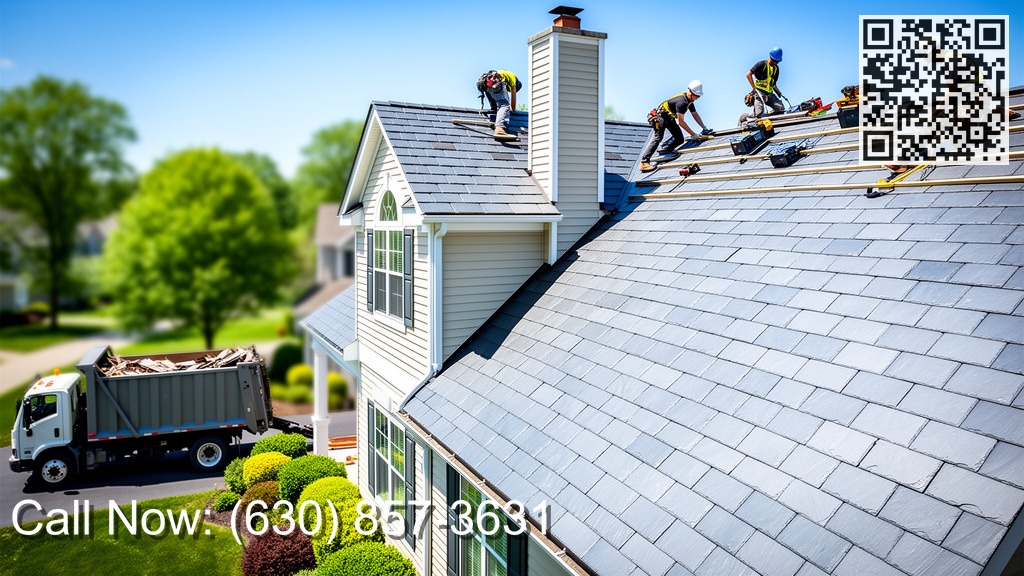
A synthetic professional roofer Chicagoland property owners can trust ought to be able to speak simply about those conditions. That means discussing ice and water obstacle positioning, air flow equilibrium, manufacturer attachment requirements, and realistic assumptions for service life. It also indicates recognizing when artificial is a strong fit and when one more system might make even more sense as a result of roof covering geometry, community needs, or budget priorities.
Not every home advantages similarly from the same account. Some synthetic roof tiles mimic slate with a tight, crisp layout. Others resemble hand-split shake with much deeper appearance and much more noticable shadowing. The best selection relies on the style, but additionally on just how the profile deals with drain and debris. A heavily textured roofing system under mature trees may hold more raw material than a cleaner slate-style profile. That is not necessarily a deal breaker, though it ought to belong to the conversation.
Installation top quality matters more than advertising and marketing language
The expression synthetic roof covering firm can explain organizations with very various degrees of experience. Some mount the category regularly and recognize its subtleties. Others add it to a sales brochure due to the fact that customers are asking for it, while still approaching it like basic asphalt. That gap turns up promptly in trim work, layout accuracy, accessory compatibility, and guarantee compliance.
A seasoned synthetic professional roofer will generally start by confirming the manufacturer's precise installment needs as opposed to thinking category-wide guidelines. Exposure lines, starter details, ridge therapy, fastener kind, spacing, and accepted underlayments can vary. In freeze-thaw conditions, those distinctions matter. A small variance might not cause an instant failure, yet it can reduce the system's margin for error during extreme winters.
Good synthetic roofing installers likewise pay very close attention to staging and handling. Some products stay adaptable in winter, others end up being less flexible until temperature levels rise. Cutting approaches may vary by season. Sealers that behave one way in light springtime weather condition might carry out in a different way during a late-fall setup window. These are normal area judgments, but they are specifically the type of judgments that divide a tidy set up from a hurried one.
One of the extra revealing join a jobsite is whether the team treats shifts as custom-made job or repeated job. Valleys, wall tie-ins, saddle flashings behind smokeshafts, snow retention planning, and termination factors at stonework https://israelzisu238.stonefielddigest.com/posts/why-homeowners-pick-artificial-roof-naperville-il-for-long-term-performance all require idea. A roofing system with several intersecting aircrafts can consume even more labor in these areas than outdoors field. When bids can be found in abnormally low, this is often where edges obtain cut.
Cost, life-span, and the worth question
Synthetic roofing is rarely the most affordable ahead of time price in the property market. Property owners contrasting quotes will commonly see it above conventional asphalt and listed below some all-natural slate or premium specialized assemblies, though real prices varies significantly by profile, roofing complexity, and labor market. In custom job, the shape of the roofing can affect cost as high as the product itself.
That said, worth needs to not be reduced to square-foot price. Costs artificial roofing commonly makes good sense when owners represent expected upkeep, reduced fixing regularity, architectural cost savings due to lower weight, and the visual durability of the finished roofing. A material that sets you back a lot more at installment however prevents reoccuring patchwork can be the a lot more economical option over time.
There is also the resale element, though it ought to be discussed truthfully. An attractive, well-installed roof covering can absolutely sustain purchaser self-confidence, especially on unique homes, but not every market transforms costs roof covering into dollar-for-dollar price. The even more trustworthy return is typically simpler ownership and reduced chance of unexpected capital spending after tornados or extreme winters.
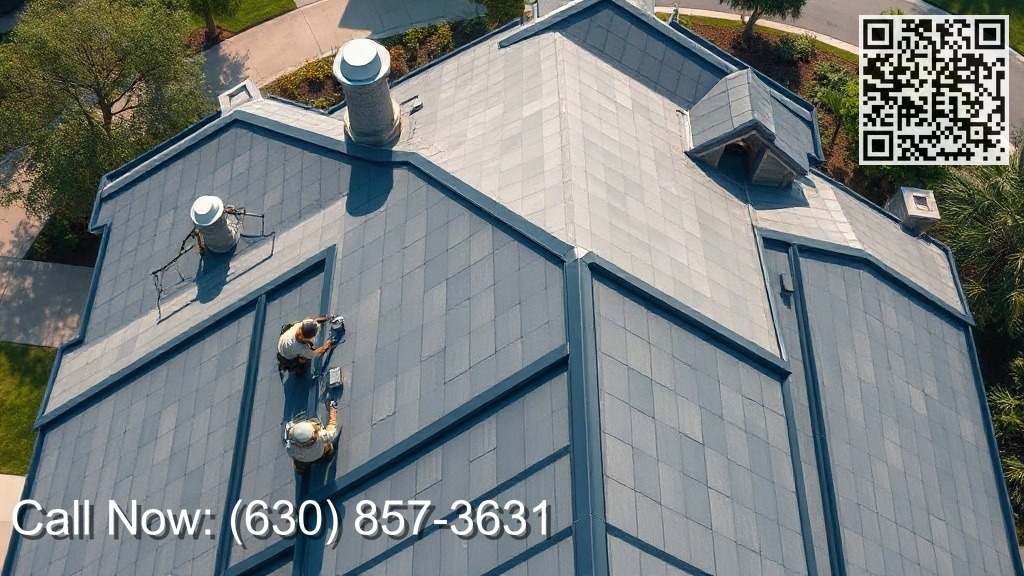
Where synthetic roof covering shines, and where caution is wise
Synthetic roof covering carries out especially well when homeowners want a refined building look without the frailty, weight, or maintenance needs of conventional products. It is often a strong fit for steep-slope homes, custom constructs, historic-style improvements, and high end property projects where look matters together with durability.
It is entitled to a more mindful testimonial when the roofing system has unusual low-slope areas, chronic ventilation issues that have not been remedied, or spending plan restrictions that might tempt a proprietor to purchase a costs product while underfunding the installation information. A top-tier product on a compromised assembly is still a jeopardized roof.
There are additionally community and insurance coverage factors to consider. Some HOAs care deeply about visual credibility. Some insurance firms focus on influence ratings or fire classifications. A great artificial roof company need to be prepared to walk through both, since a practically sound product still has to please local assumptions and paperwork realities.
How homeowners should evaluate a recommended system
The smartest discussions specify. Rather than asking whether synthetic is good, ask how this exact system will be improved this precise home. That change changes the entire process. It moves the discussion far from sales language and towards area performance.
An efficient price quote testimonial need to cover roofing deck condition, underlayment type, side steels, air flow modifications if needed, flashing substitutes, valley building, snow and ice management issues, and cleaning logistics. It ought to additionally address what keeps, what obtains replaced, and what surprise problems might modify the scope as soon as tear-off begins.
For house owners picking among synthetic roofing installers, it helps to compare how clearly each contractor clarifies these details. Obscure propositions typically lead to unclear end results. Details proposals normally signal experience.
Here are a few inquiries worth asking before authorizing a contract:
- How will certainly the system handle ice dam threat at eaves, valleys, and roof-to-wall crossways on this house?
- Which underlayment and flashing products are being paired with the synthetic product, and why?
- Has the team mounted this particular producer's system prior to, or similar products?
- What roofing system ventilation renovations, if any kind of, are recommended in addition to the brand-new covering?
- How are intricate information like chimneys, skylights, and snow retention being addressed?
Those inquiries do not require a home owner to become a roofing contractor. They merely force quality. A professional synthetic roofing contractor should be able to address them without hedging.
What maintenance resembles after installation
One factor property artificial roofing has gotten grip is that upkeep is normally workable. That does not imply missing. Also long lasting products need regular assessment, particularly after hail, high wind occasions, or winters months with heavy ice buildup.
In practice, proprietors ought to expect regular visual checks from the ground, periodic professional assessments, and prompt attention to seamless gutters, downspouts, and debris buildup. An artificial roofing system might withstand wetness better than cedar, however if a valley stays loaded with leaves and ice, any type of roof system can be stressed.
The very first few years after setup are likewise a great time to observe your home throughout actual weather condition occasions. See just how snow sheds. Notice where icicles create. Take note of whether one roofing aircraft melts faster than an additional. Those hints usually disclose insulation or ventilation discrepancies prior to they end up being leak calls.
A sensible care regular normally includes the following:
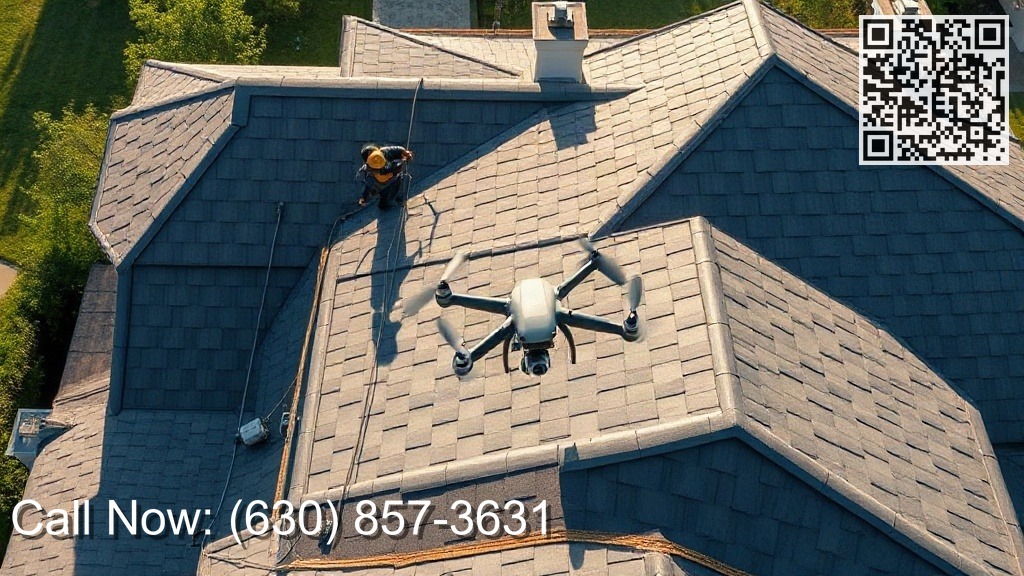
- Keep rain gutters and downspouts flowing before winter season starts.
- Schedule assessments after major hailstorm or wind storms.
- Remove particles from valleys and behind chimneys where it collects.
- Address attic room insulation and air flow issues if irregular melting appears.
- Avoid unnecessary foot traffic, particularly from untrained solution trades.
That last point is underrated. Some roofing system damages occurs not from weather condition, yet from satellite, vacation illumination, or mechanical job done without correct care.
The instance for experience over trend
Synthetic roofings are not a passing fad in the Midwest. The much better items have confirmed they belong in the conversation, specifically where home owners want style personality without accepting the vulnerabilities of much heavier or even more brittle products. However success still depends upon discipline. Product quality matters. System style issues. Installer experience matters equally as much.
For homes in Chicago and the broader suv market, that implies choosing a synthetic professional roofer that comprehends freeze-thaw actions as an everyday fact, not a line in a sales brochure. It suggests choosing artificial roofing systems with a record, not just appealing samples. It means treating artificial roof covering replacement as an opportunity to boost the whole setting up, from underlayment and blinking to ventilation and drainage.
When that happens, the outcome is not merely a roofing that looks good from the road. It is a roofing that takes on January sunlight on snowpack, March refreezes, April wind-driven rain, and the consistent, unglamorous anxiety that defines Midwest weather. That is the criterion that matters right here. Not whether a roofing system looks excellent on setup day, yet whether it keeps doing its job after years of freeze, thaw, and repeat.
When Quality Matters
Salvo Architectural Roofing Contractors
566 West 5th Ave Naperville, IL 60563
(630) 857-3631
 Ask ChatGPT
 Ask Grok
 Ask Perplexity
 Ask Claude
 Ask Google AI
 Ask You